Getting dental implants is a major milestone when you are looking to restore your smile. Whether you just walked out of Worcester Smile Studio or you are planning ahead for your procedure, getting a handle on the recovery period is just as vital as the surgery itself.
Those first few days after getting a dental implant really set the stage for success. Even though it's a standard procedure, it is still surgery, meaning your body needs time and care to bounce back. Knowing what habits to pause can actually make a huge difference in keeping complications at bay and helping that new implant fuse solidly with your jawbone.
Why Aftercare Matters
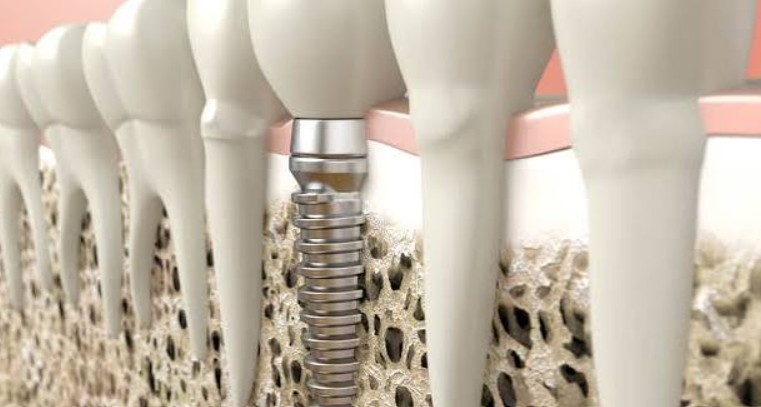
Think of your recovery phase as safeguarding a major investment. The entire success of a dental implant relies on osseointegration, which is just the biological process of your jawbone fusing directly to the titanium post. If anything disrupts this delicate phase, like an infection, physical trauma, or rough habits, the stability of your new tooth could be compromised.
At Worcester Smile Studio, we always tell patients that healing isn't about freezing in place; it's about being smart with your daily routine while the area heals. Here is a straightforward look at what you ought to steer clear of during recovery.
Avoid Strenuous Physical Activity
It is super easy to want to jump right back into your usual gym routine the moment you start feeling somewhat normal, but please pump the brakes. Heavy lifting, high-intensity cardio, or contact sports can increase bleeding, swelling, or discomfort at the surgical site.
Try to take it easy for the first 48 to 72 hours. Going for a gentle walk is usually totally fine, but avoid anything that gets your heart pounding. Let your body channel its energy into repairing tissue instead.
Say No to Straws
This is one of those classic pieces of post-op advice that almost everyone accidentally slips up on. When you sip through a straw, it creates a vacuum effect inside your mouth. That suction can easily disturb the surgical site or blood clot, particularly if an extraction was also performed. Skip the straws and just drink right from a regular glass.
Avoid Tobacco Products
If you smoke or use nicotine, this window is arguably the most important time to press pause. Nicotine acts as a vasoconstrictor, meaning it shrinks your blood vessels and sharply cuts down the blood flow reaching your gums. Since your blood delivers the essential oxygen and nutrients required for healing, smoking can seriously delay recovery and up the odds of implant complications. Avoid smoking and nicotine products as advised by your dental surgeon, as they can impair healing and increase implant complications.
Skip Hot and Spicy Foods
Right after your procedure, your diet should lean toward things that are soft, cool, or at room temperature. Very hot foods or beverages may irritate the surgical area and increase discomfort. Likewise, fiery or spicy ingredients can heavily irritate recovering tissue. Even if you are craving something bold, stick to simple, comforting choices for the first few days like yogurt, lukewarm soups, mashed veggies, or smoothies (remember: no straw!).
Be Mindful of Your Oral Hygiene Routine
Keeping your mouth clean is important for keeping infections away, but being too aggressive near the implant zone can backfire. For the first couple of days, follow your dentist's instructions about when and how to clean around the surgical site. Your crew at Worcester Smile Studio will walk you through exact steps on how to keep the surrounding areas fresh. Also, avoid harsh, high-alcohol mouthwashes that can dry out and irritate the healing tissue, sticking instead to gentle saline rinses or whatever your dentist specifically suggests.
Don't Poke or Prod
It is completely human nature to want to test out how the area feels using your tongue or fingers, but you've got to fight the urge. Poking or nudging the surgical spot can introduce unwanted bacteria and mess with the stitches. Do your best to keep your tongue away so the tissue can settle down and heal uninterrupted.
Avoid Alcohol
It's wise to give alcoholic drinks a miss during your first week of recovery. Alcohol may interfere with healing and interact with certain medications. Avoid alcohol during recovery as advised by your dental surgeon, particularly while taking prescribed medications.
When to Reach Out for Help
While experiencing some light swelling, minor bruising, or general soreness is entirely standard, you should always stay alert for red flags. If you run into intense, escalating pain that your medication won't touch, persistent bleeding that doesn't slow down with pressure, or a fever, reach out to us right away. These aren't typical symptoms and might point to an infection or complication that needs professional attention.
Your Path to a Restored Smile
The recovery stretch doesn't last forever, but the payoff of a sturdy dental implant is designed to provide long-term tooth replacement when properly maintained. By keeping these practical tips in mind and steering clear of common traps, you are setting yourself up for smooth sailing. Every patient heals at their own unique speed, so if you ever have questions about how you're feeling, don't hesitate to contact the team at Worcester Smile Studio. We've got your back through every phase of the journey.
Thinking about taking the next step toward a healthier, more radiant smile? Whether you are weighing your options for dental implants or want clarity on how the procedure fits your unique needs, get in touch with Worcester Smile Studio today to book a consultation. Our team is here to provide personalized guidance to help you reach your dental health goals.
Frequently Asked Questions
Q: How long does it usually take for the initial healing after implant surgery?
A: Many patients experience significant improvement within several days, although recovery varies. However, the deeper structural healing, where the bone actually anchors to the implant, takes a few months. Your dentist will map out a precise timeline tailored to your mouth.
Q: Can I go back to work the day after the surgery?
A: That depends a lot on your job description and how you're feeling. Many people can handle light work the next day, but if your day job keeps you physically active or heavily exerted, taking a day or two off to rest is usually a smart move.
Q: Is it normal to have some bruising on my face?
A: Yes, minor bruising or swelling around your cheek or jawline is fairly common post-surgery. It often hits its peak around day two or three before fading on its own.
Q: Can I eat normally right away?
A: You'll want to start slow with a soft-food menu and work your way back to regular textures as your comfort allows. Stay away from anything hard, crunchy, or chewy during those first few days to protect the site.
Q: Do I need to stop taking my regular medications?
A: Always share a complete list of your current medications with your dentist prior to surgery. While you will likely stay on your routine prescriptions, your dentist will let you know if anything needs a temporary pause or adjustment.