Life has a way of keeping us busy. Maybe you lost a tooth years ago, and at the time, you were either too busy, worried about the cost, or simply felt that since it was not in a visible spot, it was not a huge deal. It is incredibly common for people to put off replacing a single tooth, especially when they feel they can get by just fine without it. But now, you might be considering a change. Perhaps the gap is affecting how you chew, or you are simply tired of feeling self-conscious when you laugh.
At Worcester Smile Studio, the question we hear most often is: "Can I still get dental implants after years of tooth loss?" The short answer is yes, but the path to getting there might look a little different than it would have a few years ago.
The Science of Why We Wait
To understand why this is a question in the first place, it helps to know a little bit about what happens in your mouth when a tooth goes missing. Your jawbone is a living, dynamic tissue. When you have all your teeth, the roots of those teeth provide constant stimulation to the bone, keeping it dense and healthy. It is very similar to how your muscles stay strong when you use them.
When a tooth is lost, that stimulation stops. Over time, your body realizes that the bone in that specific area is no longer being "used" to support a tooth, so it begins to reabsorb that bone. This is called bone resorption. It is a natural biological process, and it explains why the jawbone can shrink in both height and width after a tooth has been missing for a long time.
This is exactly why so many people worry that they have missed their window of opportunity. They know the bone has changed, and they worry that there is simply nothing left to support an implant.
The Good News About Bone Restoration at Worcester Smile Studio
While it is true that waiting can make the process more complex, it does not necessarily rule you out as a candidate for dental implants. Dentistry has evolved tremendously, and we have excellent tools today to help rebuild what has been lost at Worcester Smile Studio.
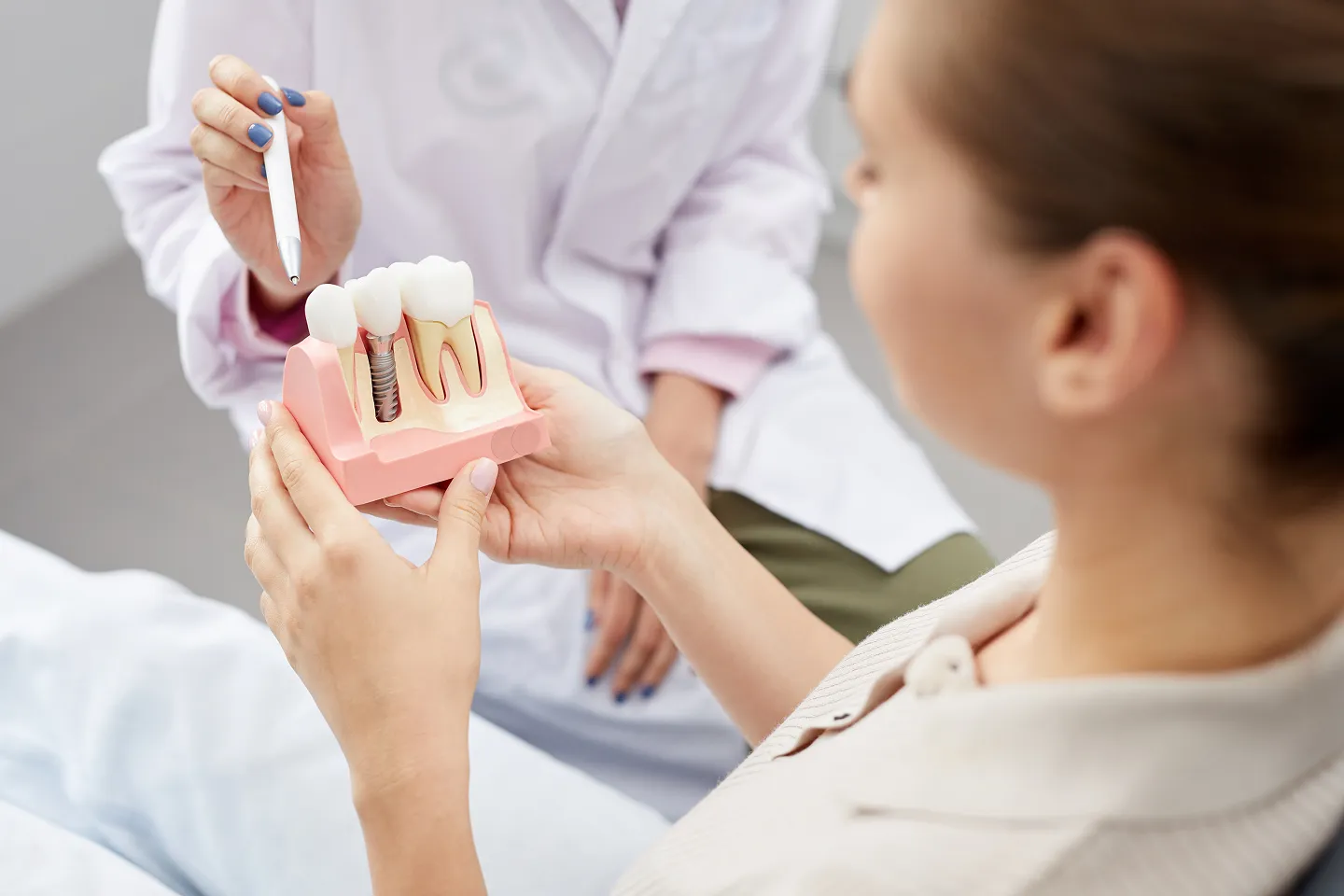
If your jawbone does not have enough density to support an implant, we often talk about bone grafting. This might sound like a daunting term, but it is a standard, predictable procedure. Essentially, we add bone material to the area where the implant needs to go. This acts as a foundation. Over a period of several months, your body integrates this material, essentially growing new, strong bone around it. Once the site is stable, it provides the perfect, secure environment for an implant.
For those who have lost a tooth in the upper jaw, we sometimes perform a sinus lift. Because the sinuses are located right above the upper back teeth, bone loss there can be tricky. A sinus lift gently lifts the sinus membrane and adds bone underneath, creating the space and stability needed for an implant.
How Long After Tooth Loss Can You Get Implants?
There is no hard deadline on this. At Worcester Smile Studio, we have helped patients who have been missing teeth for five, ten, or even twenty years. The timeframe really depends on your specific anatomy, your overall health, and how much bone has been lost.
The most important takeaway is that you are not automatically disqualified just because time has passed. Every mouth is different. Some people experience very little bone loss, while others see more significant changes. The only way to know where you stand is to come in for an evaluation. We use advanced imaging, like 3D scans, to look at the health and density of your jawbone. This allows us to see exactly what we are working with and help you build a plan that makes sense for you.
Why Replacing That Tooth Matters
Even if you have been living with the gap for years, it is worth thinking about why you might want to replace it now. A missing tooth is not just a cosmetic issue.
- Chewing Function: When you lose a tooth, the teeth around the gap often start to drift and tilt into the empty space. This can change your bite and make it difficult to chew food properly.
- Support for Other Teeth: Your teeth act like a team. When one member is missing, the others have to work harder. Replacing the tooth can take that extra pressure off your remaining teeth, potentially helping them last longer.
- Confidence: There is a real, tangible sense of relief that comes with having a full, functional smile again. Not having to think about where you chew or how you smile can make a huge difference in your daily life.
What to Expect During the Process at Worcester Smile Studio
If you decide to move forward, we take things one step at a time at Worcester Smile Studio. We never want you to feel rushed or overwhelmed.
- First, we will do a thorough exam. We want to know about your health history, any medications you take, and what your goals are for your smile. If bone grafting is needed, we will explain exactly why and what the recovery time looks like.
- After the bone is ready, the implant itself is placed. This acts as the new "root." After that heals, we top it with a crown that is designed to look, feel, and function just like one of your natural teeth. Throughout the process, we are here to answer your questions and make sure you feel comfortable and informed.
Taking the First Step
It is easy to look back and think you missed your chance, but your dental health is not set in stone. Whether it has been one year or fifteen years since you lost a tooth, the potential to restore your smile is likely still there.
You deserve to have a smile that you feel good about. You deserve to eat the foods you enjoy without worry. If you are curious about what is possible for you, we would love to sit down and talk. At Worcester Smile Studio, we will take a look at your unique situation, explain what we see, and give you the information you need to decide what is right for your health and your future. There is no pressure and no obligation, just an honest conversation about your smile.
Frequently Asked Questions
Q: Will bone grafting be painful?
A: Most patients find the procedure much easier than they expected. We use local anesthesia to numb the area, and most people are surprised by how manageable the recovery is. We will provide clear instructions to help you stay comfortable afterward.
Q: Does getting an implant years later take much longer?
A: It can take longer than if you had the implant placed immediately after losing the tooth, primarily because we often need to wait for the bone graft to heal and integrate. While it is a longer commitment in terms of time, it is worth it for a result that can last a lifetime.
Q: Are there health conditions that prevent me from getting implants?
A: There are some conditions, like uncontrolled diabetes or certain immune disorders, that can affect how well the bone heals. We will look at your overall health during your consultation at Worcester Smile Studio to make sure you are a good candidate and that the treatment will be safe and successful for you.
Q: Is it really worth it after so many years?
A: That is a personal choice, but most of our patients who go through the process tell us they wish they had done it sooner. The benefit of having a stable tooth that you do not have to think about is a major quality of life improvement.
Q: What if I have several missing teeth?
A: We can often use implants to replace multiple teeth or even a full arch. It is not just limited to single gaps. We can look at your whole mouth at Worcester Smile Studio and see what is possible.