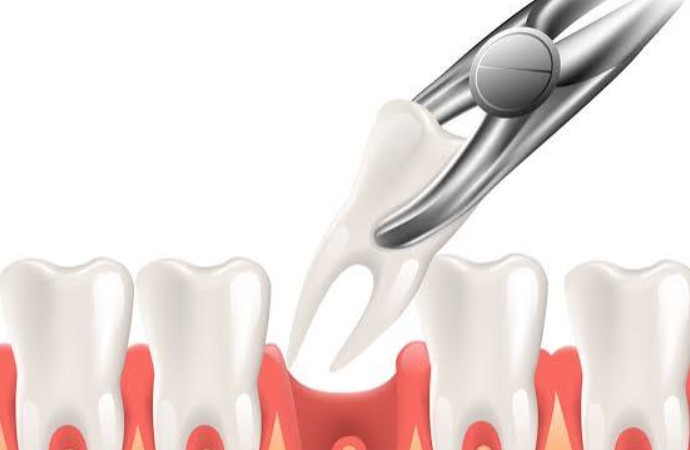
If you’ve recently found out you need a tooth extraction, it’s completely natural to feel a bit anxious about what comes next. Maybe you’re already bracing yourself for the discomfort, or perhaps you're just wondering how much of your social calendar you’ll need to clear. Getting a tooth pulled is a very common procedure at Worcester Smile Studio, and while it might sound intimidating, knowing exactly what the recovery process looks like can take a lot of the mystery and the stress out of the experience.
Healing after an extraction isn’t exactly a one-size-fits-all timeline. It really comes down to your individual health, the complexity of the extraction, and how diligently you follow the post-op care instructions. Let’s walk through the phases of recovery so you can feel prepared and confident.
The First 24 Hours: Taking It Easy
The first day is all about protecting that delicate area where the tooth used to be. Right after your procedure at Worcester Smile Studio, a blood clot will begin to form in the empty socket. This clot is your best friend. It’s the cornerstone of your healing process.
For the first few hours, you’ll want to keep the gauze pad in place as directed to help control any bleeding. It’s normal to have a little oozing, but if it seems excessive, just give us a call. During this time, your main goals are rest and minimizing swelling. Think of it as a mandatory "stay on the couch" day. Keep your head elevated with an extra pillow when you lie down, and if you’re noticing swelling, applying an ice pack to your cheek in 15-minute intervals can work wonders.
The First Few Days: Managing Comfort
By days two and three, the most acute phase of bleeding should be behind you. You might notice the area feels a bit tender, and swelling may actually hit its peak around day three. This is usually when people are most tempted to peek in the mirror or poke around with their tongue, but please, don't!
This is the time to really lean into a soft diet. Think yogurt, applesauce, lukewarm soups, or mashed potatoes. Avoiding crunchy, sharp, or sticky foods is essential, as these can easily get lodged in the healing socket or cause irritation.
The One-Week Milestone
By the end of the first week, most patients are feeling significantly better. If you have non-dissolvable stitches, this is typically when you’ll return to Worcester Smile Studio to have them removed. Most of the minor aches and pains should have faded into the background. While the surface tissue is healing up nicely, keep in mind that the bone and deeper tissues are still doing the heavy lifting beneath the surface. You’re not quite ready to go back to hard, chewy snacks like popcorn or tough steak, but you can definitely start reintroducing more variety into your meals.
Understanding the "Dry Socket" Risk
You’ve probably heard horror stories about "dry socket," and while it’s not something you should lose sleep over, it is worth understanding. It happens when the blood clot we mentioned earlier dislodges or dissolves before the wound has had a chance to properly heal.
It’s fairly rare, but the best way to keep it from happening is simple: don’t create suction in your mouth. That means no straws, no aggressive spitting, and definitely no smoking. Treating the surgical site with a little extra gentleness goes a long way.
Long-Term Healing
While you’ll likely be back to your normal routine within a week or so, the socket itself takes several weeks to fill in completely with bone. It’s a slow, steady process. You might notice the area feeling a little different as it heals, but over time, your gum tissue will remodel and blend with the surrounding area.
When to Reach Out
We want you to have a smooth recovery, but we also know that everyone’s body reacts differently. If you find that your pain is getting worse after day three instead of better, or if you develop a fever or notice an unpleasant taste that won't go away, please let us know. These can sometimes be signs that the area needs a little extra attention. You know your body better than anyone, so if something doesn't feel right, reaching out is always the right call.
Your Smile Deserves the Right Care
Recovering from an extraction is a temporary phase that leads to a much healthier mouth. By taking these initial days seriously and listening to your body, you’re setting yourself up for success. Whether you’re getting an extraction to prepare for an implant or to resolve a persistent issue, remember that the team at Worcester Smile Studio is with you from start to finish.
Do you have concerns about an upcoming extraction, or are you curious about how we can support your dental health long-term? Contact Worcester Smile Studio today. We’re happy to answer your questions, discuss your options, and help you get back to a comfortable, healthy smile as quickly as possible.
Frequently Asked Questions
Q: How long until I can go back to work or school?
A: Most people feel ready to return to their normal daily activities within two to three days. If your work involves heavy lifting or intense physical labor, you might want to give it a full 72 hours of rest.
Q: Can I brush my teeth like normal?
A: You should absolutely keep brushing, but be very gentle. For the first 24 hours, avoid the immediate area of the extraction. After that, you can carefully clean around the site, but take your time and steer clear of harsh, vigorous scrubbing.
Q: Is it normal to have some jaw stiffness?
A: It is! Especially if you had a back tooth or wisdom tooth removed, your jaw muscles might feel a bit tight or stiff for a few days. Warm compresses can often help loosen that up.
Q: What if I’m in a lot of pain?
A: We will provide you with clear instructions on managing discomfort, whether that involves over-the-counter options or something stronger. Stick to the plan we lay out, and don't hesitate to reach out if your pain isn't being controlled.
Q: Will I need a follow-up visit?
A: Not everyone needs a follow-up, but it depends on the complexity of your extraction. We’ll let you know before you leave the office if we need to see you again to check on your healing progress.