You go in for a checkup. Your dentist finds a small spot of decay. You expect a quick filling. Then your dentist says you need a crown instead.
That switch can feel confusing. A filling sounds like the normal fix. A crown sounds like a much bigger deal. Once you understand what each one does, the choice makes a lot more sense. At Worcester Smile Studio, we walk you through that choice every time, so you always know why we picked one option over the other for your filling or crown.
Quick answer: A filling works when the damage is small and the tooth still has strong walls around it. A crown is the better choice when the tooth has lost too much of its own structure to hold up on its own, such as after a large cavity, a crack, a root canal, or years of grinding.
Filling the Gap or Covering the Tooth
A filling fixes a small area. Your dentist clears out the decay, then fills that space with a strong material that matches your tooth's shape.
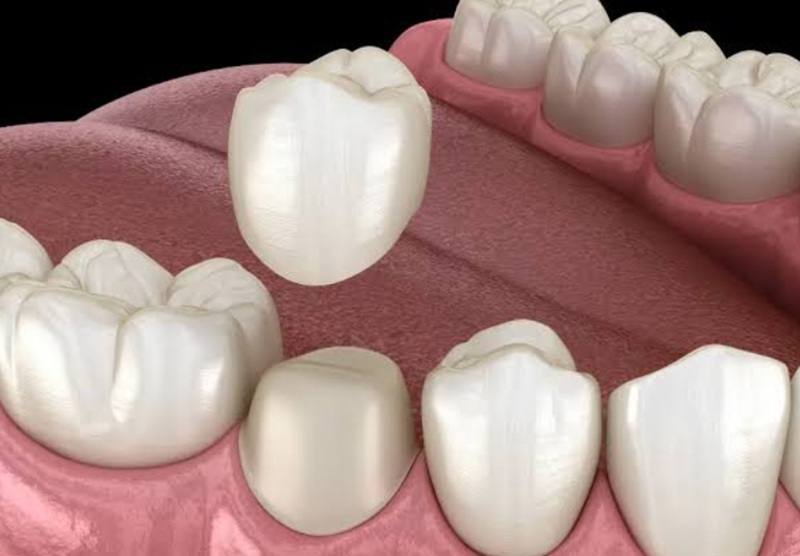
A crown is different. It's a cap that covers the whole visible part of the tooth. When we compare a dental crown vs filling, the biggest factor is how much of your natural tooth is left. If decay or damage has eaten away a large part of the tooth, a filling won't have enough tooth left to hold onto. That's when a crown takes over. It wraps around the tooth and gives it the strength a filling can't.
When Do You Need a Dental Crown?
There's no single rule here. We look at the whole tooth: how much decay there is, where it sits, and how you use your teeth day to day.
The Decay Is Extensive
A cavity that's been growing for a while can eat away a large part of the tooth. If we tried to fill a hole that big, the thin walls left behind would likely crack under normal biting pressure. A crown solves this by covering the tooth completely and holding it together.
The Tooth Is Cracked or Fractured
Teeth are strong, but they're not indestructible. A deep crack won't be fixed by a filling. In some cases, a filling can even make a crack worse, since the material expands slightly as it sets. A crown works like a shell around the tooth. It holds the crack together and keeps it from spreading when you chew.
You've Had a Root Canal
This is one of the most common reasons we place a crown. A root canal removes the nerve and blood supply from inside the tooth. Without that living tissue, the tooth becomes drier and more brittle over time. A crown protects it from cracking during everyday use.
Your Teeth Show Heavy Wear
If you grind your teeth, you may have worn down your enamel over the years. Once teeth get too short or flat, they can't chew properly anymore. A crown can rebuild the tooth's shape and height, which takes pressure off your jaw and the rest of your bite.
The Worcester Smile Studio Approach
We know a crown feels like a bigger decision than a filling, so we explain our thinking every time. We show you the images from your exam. We point out exactly where the damage is and why the tooth needs extra support, or why it doesn't.
We only recommend a crown when a tooth actually needs one. If a filling will keep your tooth strong for years, that's what we'll suggest. If we can see the tooth is at risk of breaking, we'll tell you why a crown is the safer choice. Our goal is to give you the full picture, not to upsell you.
Why Waiting Can Cost You More
One of the most common mistakes is putting off treatment. A tooth that could be saved with a simple filling today can turn into a tooth that needs a root canal and a crown a year from now, once the decay reaches the nerve.
Catching a problem early gives you more options and usually costs less, both in time and money. Taking care of small issues while they're still small is the best way to protect your natural teeth for the long run.

What to Expect During the Process
If you and your dentist decide a crown is the right move, we make it as simple as possible. First, we gently shape the tooth so the crown fits over it correctly. Then we take a precise scan or impression of your bite.
We match the crown's color and shape to your other teeth. The goal is for it to look like it's always been there, not like an add on.
Get Back to a Comfortable Smile
You shouldn't have to live with a tooth that feels wrong, or think twice before biting into something crunchy. Whether you need a simple filling or a crown, our team at Worcester Smile Studio will walk you through your options in plain language, so you know exactly what's happening and why.
Contact Worcester Smile Studio today to book a full checkup at our Worcester office, and let's get your smile back to full strength.
Frequently Asked Questions
Does a crown feel different from a natural tooth?
For the first few days, you might notice it a little more with your tongue. Most people get used to it fast. Once it's polished and fitted to your bite, it should feel just like your own tooth.
Can a crown get a cavity?
The crown itself, whether porcelain or ceramic, can't decay. But the natural tooth underneath, right where it meets your gum, still can. That's why brushing, flossing, and regular cleanings matter just as much for a crowned tooth as any other.
How long do crowns usually last?
A well made crown often lasts 10 to 15 years, sometimes longer. It depends on how well you care for your teeth. Avoiding habits like chewing ice or opening packages with your teeth will help it last.
Is getting a crown painful?
We numb the area with local anesthesia before we start, so you shouldn't feel pain during the procedure. Most patients find it easy to sit through, and we're happy to talk through ways to help you relax beforehand.
If I have a cavity, why not just get a filling?
Fillings work well for small, isolated spots of decay. But if the cavity has weakened the tooth's structure, a filling may not hold up over time. In that case, a crown gives your tooth better long term support.