For many people, hearing that they need a root canal is not exactly the highlight of their week. It is one of those dental terms that tends to carry a bit of a heavy reputation, often causing more stress than the actual situation requires. But here is the reality: a root canal is not the source of your pain; it is the cure for it. When the inside of a tooth becomes infected or severely damaged, it can cause a level of agony that disrupts your sleep, your work, and your ability to enjoy a simple meal.
At Worcester Smile Studio, we view root canal therapy as a rescue mission for your smile. It is a way to stop the ache, heal the infection, and ultimately, keep your natural tooth right where it belongs. If you have been living with a tooth that just doesn't feel right, it is time to listen to what your body is trying to tell you.
Tuning Into Your Mouth
How can you tell if you are looking at a situation that needs a professional look? Often, the warning signs start small and grow more insistent over time.
The most common indicator is a deep, persistent ache that seems to stem from inside the tooth. It is not the brief, passing sensitivity you get after a cold drink. This kind of pain often sticks around, sometimes spreading to your jaw, your cheeks, or even your ear. If you feel a sudden, sharp jolt when you bite down or if you notice a dull, throbbing pressure when you are just trying to relax, those are major red flags.
You should also keep an eye out for extreme sensitivity to heat or cold. If your tooth reacts to a hot coffee or an ice-cold glass of water and the pain lingers for minutes or even hours after the stimulus is gone, it suggests that the nerve inside the tooth is irritated or compromised.
Additionally, keep an eye on your gum tissue. If you see a small, pimple-like bump on your gums near the sore tooth, or if your gums look swollen and angry in that area, it is a sign that an infection is trying to drain. If you notice any of these symptoms, please don't wait for them to "just go away."
What Is the Procedure Really Like?
We find that most of our patients are genuinely surprised when they realize how straightforward the process is. At its simplest, a root canal is a deep, therapeutic cleaning of the tooth's interior.
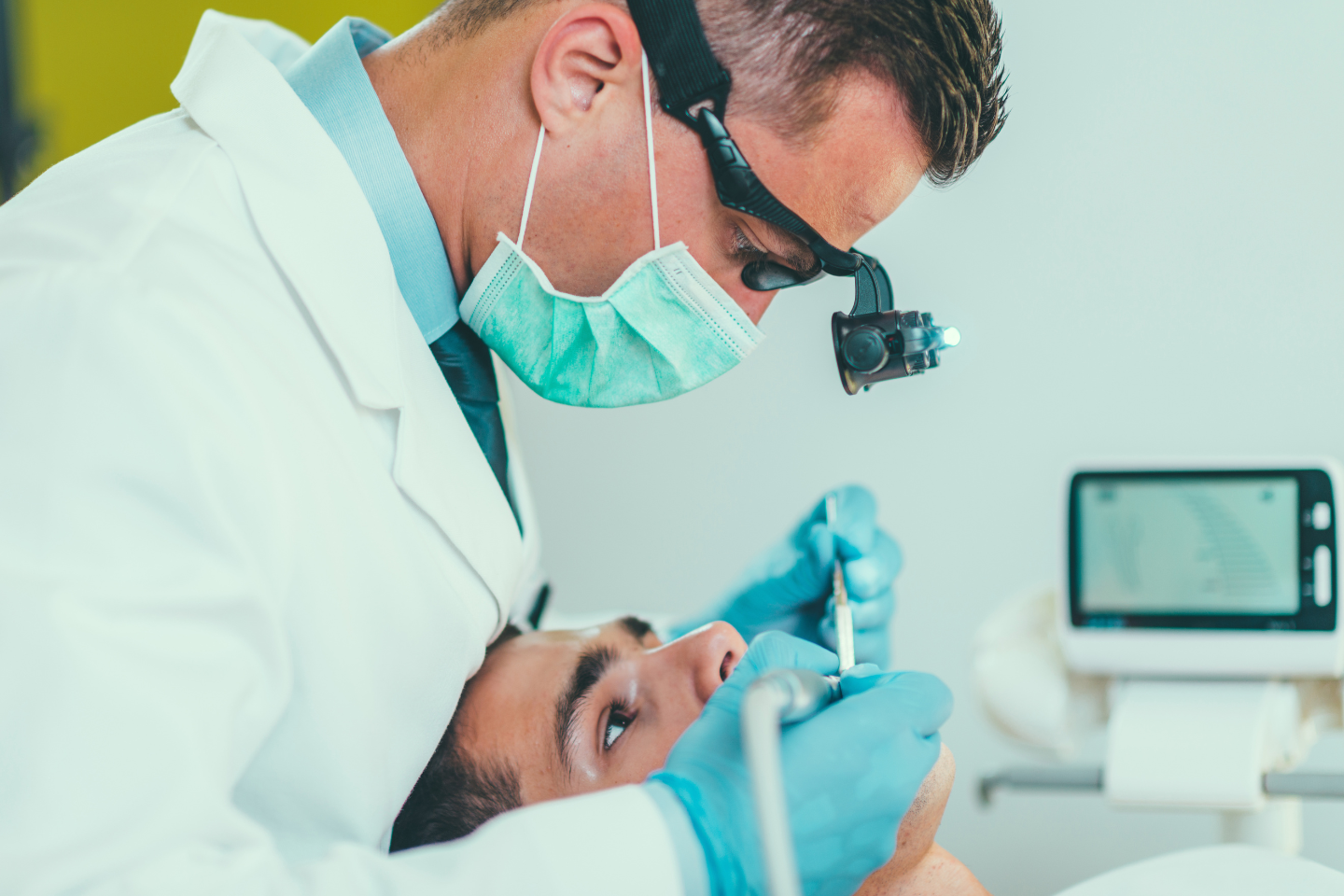
We begin by making sure you are completely comfortable with local anesthesia. Once you are numb, we create a very small access point at the top of the tooth. From there, we carefully remove the infected pulp, the soft tissue containing the nerve and sanitize the inner chambers of the tooth. Once we are sure everything is clean and clear, we fill those tiny canals with a specialized material to seal the space and prevent any future bacteria from creeping in. We finish the job with a filling or a crown to bring your tooth back to its original strength and shape. It really is about restoring your ability to chew and smile without giving it a second thought.
Root Canal vs Extraction
A common question we hear is whether it is just easier to take the tooth out. While extraction might seem like a quick fix, it often creates a new set of challenges. When a tooth is removed, the surrounding teeth eventually try to drift into the empty space. This can change your bite, lead to jaw discomfort, and often require more expensive treatments down the road to correct.
Keeping your natural tooth is almost always the gold standard. A natural tooth provides the best stability for your bite and helps keep the surrounding bone healthy. We never take the recommendation for a root canal lightly; we always weigh it against the long-term health of your entire smile.
Why Speed Matters
Infections inside a tooth are stubborn, they do not resolve on their own. The longer you wait, the more the infection has a chance to expand, which can make the treatment more complex and decrease the chances of saving the tooth.
At Worcester Smile Studio, we pride ourselves on being a calm, supportive environment. If the thought of the procedure makes you nervous, just tell us. We are happy to walk you through the details, answer your questions, and work at a pace that keeps you feeling calm and in control.
Life After the Procedure
After the procedure, it is normal to have a little bit of tenderness for a few days while the surrounding tissues settle down. Most of our patients find that this is easily handled with standard comfort measures. Once that short healing window passes, you are left with a tooth that is no longer a source of pain, but a functioning part of your bite once again.
Reach Out When You Are Ready
If you suspect you have root canal symptoms, or if you are simply worried about a tooth that feels "off," please give us a call. You do not have to live with that nagging discomfort. A simple exam is all it takes to get to the bottom of the problem and map out a solution. We are here to help you get back to a life free from tooth pain.
Frequently Asked Questions
Q: Is a root canal actually a painful experience?
A: That is a classic myth. In reality, most patients report that the procedure feels very similar to having a standard filling placed. The "pain" people associate with root canals is actually the pain they were feeling before the procedure the root canal is the treatment that makes that pain disappear.
Q: How can I tell for sure if I need one?
A: While symptoms like lingering pain and swelling are strong indicators, an X-ray is the only way to see what is happening at the root level. If you have concerns, an exam is the best place to start.
Q: How long does the appointment take?
A: It varies based on the tooth, but most root canals are managed in one or two visits. We will give you a clear idea of what to expect during your initial consultation.
Q: Will the tooth feel different after the procedure?
A: Once the nerve is removed, the tooth will no longer feel temperature, but it will still function just like a normal tooth in your bite. Once it is fully restored with a crown or filling, most people forget it was ever treated.
Q: Can I go back to work afterward?
A: Most of our patients return to their normal daily routine the very next day. We will give you specific post-care tips to ensure you are comfortable.
Q: What is the benefit of saving the tooth versus pulling it?
A: Saving your natural tooth is better for your long-term bite and bone health. Extraction is typically a last resort, as replacing a missing tooth is often a more extensive and costly process than simply treating and saving the one you already have.