Figuring out the right dental treatment can feel a bit confusing. When you are sitting in the chair and your dentist mentions a cavity or a worn tooth, your mind usually jumps straight to one question: Can we just patch this up with a filling, or is something heavier duty required? It is a very common dilemma, and one that our crew at Worcester Smile Studio helps patients sort through almost every day.
Both fillings and dental crowns are fantastic options in modern dentistry, but they do completely different jobs. You can think of a filling like patching a localized pothole, while a crown acts more like a custom-fitted helmet that covers and protects the entire tooth structure. Knowing when a crown steps in as the better route can make your treatment plan feel a lot clearer.
Understanding the Basics: Fillings vs. Crowns
Before diving into why one option wins over the other, it helps to look at what each restoration actually achieves.
A standard tooth filling is built to handle minor to moderate decay. When bacteria carve out a small cavity in your enamel, your dentist cleans out the damaged material and seals the space with a tooth-colored composite resin. It is fast, conservative, and leaves the vast majority of your natural tooth intact.
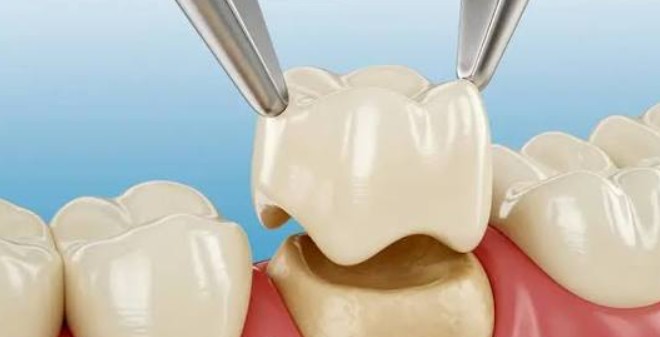
A dental crown, on the other hand, covers the whole visible portion of the tooth down to the gumline. Because it wraps around everything, it offers heavy-duty support for teeth that have taken a beating from large cavities, fractures, or extensive past dental work.
When a Filling Is Usually Enough
In many scenarios, a simple filling is all you need. If a dental issue gets caught early during a routine exam, the damage is typically contained to a small spot. Fillings work brilliantly when:
The decay is relatively small and hasn't compromised the foundational strength of the tooth.
You have a minor chip or cosmetic flaw that doesn't mess with your bite.
There is still plenty of sturdy, natural tooth structure remaining to support the patch.
When these boxes are checked, a filling is conservative, efficient, and keeps your natural tooth largely untouched.
When a Dental Crown Becomes the Better Choice
There comes a tipping point where a filling is simply not enough to keep a tooth safe. If a tooth is hollowed out or weakened, forcing a filling into it can actually act like a wedge, causing the remaining walls to crack under normal chewing pressure. Here is when a crown usually takes over:
Large Cavities Spanning Multiple Surfaces
If decay has eaten away at a large chunk of your tooth, a filling won't have enough healthy foundation to anchor onto. When a cavity hits multiple sides of a tooth, a crown provides the all-around reinforcement required to stop future breaks.
Following a Root Canal Treatment
Teeth that go through root canal therapy may be more vulnerable to fracture because the procedure is often performed on teeth that have already lost significant tooth structure from decay, cracks, or previous dental work. To protect these vulnerable teeth from splitting under daily chewing forces, dentists at Worcester Smile Studio may recommend placing a custom crown over the treated tooth, depending on the tooth type, remaining structure, and restoration needs.
Severely Cracked or Worn Teeth
If you deal with nighttime teeth grinding or have a deep structural crack, everyday biting can cause that crack to spread further. A crown holds the tooth together like a supportive belt, spreading out the chewing pressure evenly.
Replacing an Old, Failing Filling
Older fillings can break down, leak, or develop new decay underneath them over the years. If an old filling has failed repeatedly and worn away too much natural structure, upgrading to a crown is usually the safest long-term fix.
The Long-Term Value of Choosing the Right Option
It can be tempting to push for a smaller fix like a filling just to keep things simple and quick. However, choosing the right restoration upfront saves you from a frustrating cycle of repeat fixes. If a structurally compromised tooth gets a filling instead of a crown, it might eventually fracture below the gumline, turning a straightforward procedure into a much bigger headache.
At Worcester Smile Studio, our primary goal is to protect your natural smile while ensuring our work lasts. We look closely at your bite, the strength of the tooth, and your long-term health before making any calls.
Do not guess your way through your dental care. Contact Worcester Smile Studio today to book a comprehensive evaluation. Our team will check your smile, lay out your choices clearly, and help you pick the best path forward for lasting comfort.
Frequently Asked Questions
Q: How do I know if my cavity is too big for a filling?
A: If decay involves a large portion of the tooth, affects multiple surfaces, or has weakened the tooth's cusps or remaining structure, a dentist may recommend a crown. A physical exam and imaging help determine the best restoration.
Q: How long does a dental crown typically last?
A: With solid daily hygiene, regular brushing, flossing, and routine dental visits, a high-quality crown can easily last anywhere from 10 to 15 years, and often even longer.
Q: Does getting a dental crown hurt?
A: The procedure is done under local anesthesia, meaning the tooth and surrounding gum tissue are completely numbed. While you might feel some mild sensitivity afterward, the actual placement process is designed to be smooth and comfortable.
Q: Can a crown look just like my natural teeth?
A: Yes, absolutely. Modern crowns are crafted from tooth-colored materials like porcelain or zirconia that mimic the natural shade and light reflection of your surrounding teeth so seamlessly that nobody will notice.
Q: If I get a crown, can the tooth underneath still get a cavity?
A: While the crown material itself cannot decay, the edge where the crown meets your natural tooth can still be vulnerable to plaque buildup. Keeping up with great daily habits and regular checkups is still crucial.