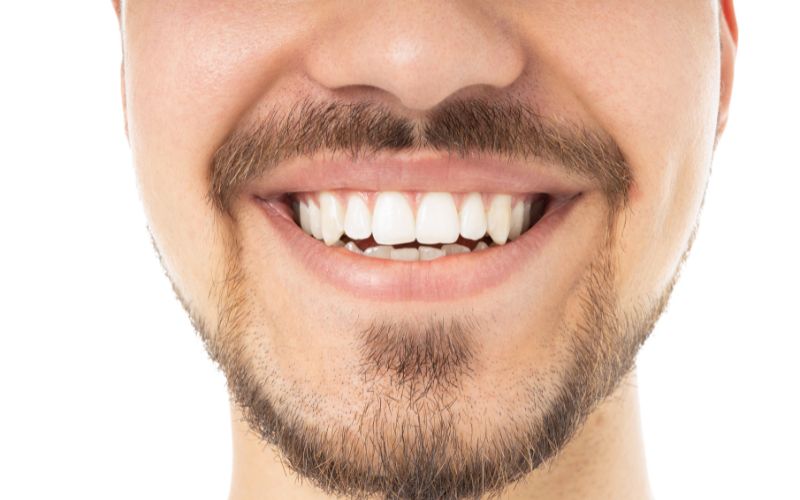
It can be deeply frustrating to look in the bathroom mirror and notice a stubborn yellowish tint on your teeth. This is especially true if you are someone who strictly follows the rules: brushing twice a day, flossing every single night, and showing up for every routine dental cleaning. You do everything right, yet your smile still does not have that bright, crisp look you want.
At Worcester Smile Studio, we often meet patients who are surprised to learn that yellow teeth are not always caused by poor oral hygiene.
When this happens, it is easy to assume you are doing something wrong or that your oral care routine is failing. But here is the reality: tooth discoloration is not always a reflection of your hygiene habits. In fact, many of the reasons teeth lose their white shade have nothing to do with how clean you keep your mouth.
To understand why this happens, you have to look past the surface of your teeth and look at how they are built from the inside out.
Inside The Tooth: The Real Source Of Color
When you look at your smile, you are not just looking at a single solid material. The color of your teeth is actually a visual combination of two distinct layers of tissue:
The Enamel Layer
This is the hard shield on the outside of your teeth. While we tend to think of enamel as solid white, it is actually semi-translucent. It acts a bit like a frosted glass window, allowing light to pass right through it.
The Dentin Layer
Hidden directly beneath that clear enamel window is a dense core called dentin. Dentin is naturally a much darker, warmer color, ranging from deep cream to distinct yellow.
Because enamel is see-through, the true shade of your smile is heavily influenced by the yellow dentin underneath. If your enamel gets a bit thinner, or if the dentin core becomes darker, your teeth will naturally look more yellow. This shift can happen even if your teeth are completely clean and free of plaque.
The Hidden Reasons Your Teeth Are Turning Yellow
If you already have excellent brushing habits and are still noticing a yellow shade, the cause usually comes down to one of these common biological or environmental factors.
The Clock Keeps Ticking
Aging is one of the most common reasons for a yellowing smile, and it happens to everyone. Over decades of chewing, speaking, and living, your outer enamel naturally experiences micro-wear and becomes gradually thinner. As that outer layer thins out, it loses some of its opacity. At the same time, your teeth naturally build more dentin inside as you grow older. The combination of thinner clear enamel and a thicker yellow core means your teeth will slowly shift toward a warmer shade over time.
It Is In Your DNA
Just like your height, the color of your eyes, or the texture of your hair, the natural shade of your smile is largely written into your genetic code. Some individuals are simply born with a naturally thick, highly opaque layer of enamel that keeps things looking exceptionally white. Others inherit naturally thin or highly translucent enamel, or a darker shade of yellow dentin from day one. If your genetics lean this way, your teeth might always have a natural ivory undertone, regardless of your hygiene.
Eating Healthy But Brushing At The Wrong Time
You might have a highly nutritious diet, but certain healthy foods can accidentally work against your enamel. Items like lemons, oranges, tomatoes, apple cider vinegar, and even some unsweetened sparkling waters can be mildly acidic. When you consume them, the acid temporarily softens the microscopic surface layer of your enamel. If you rush to brush your teeth immediately after eating or drinking these things, your toothbrush can actually scrub away tiny amounts of that softened enamel. Over time, this habit can strip away your outer defense layer and reveal the yellow underneath.
Clenching, Grinding, And Physical Stress
Your teeth go through a massive amount of physical pressure every day. If you deal with stress by clenching your jaw or grinding your teeth at night, you are placing immense strain on your enamel. This chronic pressure can cause tiny, microscopic stress fractures to spread across the surface of your teeth. While these micro-cracks usually do not hurt, they change how light bounces off the tooth, making the entire surface look darker or more shadowed. Additionally, if a single tooth ever suffered a bump or injury in the past, the internal nerve can react by overproducing dark dentin as a protective shield, turning that specific tooth yellow from within.
Childhood Exposures Before Teeth Emerged
Sometimes, the root cause of the yellow shade dates all the way back to your early childhood. If you were given certain types of medications, such as tetracycline antibiotics, while your adult teeth were still developing deep inside your jawbone, those compounds can bond permanently to the mineral structure. This creates a deep, intrinsic stain right in the core of the tooth. Because this color is locked inside the dentin, it stays there long after the tooth emerges, completely out of reach of any toothbrush or floss.
Why A Toothbrush Cannot Fix Inward Yellowing
To properly address a yellowing smile, it helps to understand that there are two separate kinds of tooth discoloration: extrinsic and intrinsic.
Extrinsic discoloration lives on the outside. These are the classic surface stains left behind by things like black coffee, dark teas, red wine, berries, and dark pasta sauces. Regular brushing, flossing, and standard whitening toothpastes are highly effective at polishing away these surface pigments because they can physically reach them.
Intrinsic discoloration lives on the inside. This is the deep shading caused by aging, genetics, thin enamel, or early childhood medications. Because this yellow hue is trapped deep underneath the protective enamel window, your toothbrush simply cannot touch it. In fact, if you try to scrub your teeth harder to force them to become white, you will likely do the opposite. Aggressive brushing can wear down your remaining enamel even faster, bringing the yellow dentin layer into clear view.
Smart Habits To Protect And Brighten Your Smile Safely
If you are dealing with inside-out yellowing, you cannot rewrite your genetics or stop the aging process, but you can change how you protect your enamel moving forward.
Change Your Post-Meal Routine
If you consume anything acidic, avoid brushing right away. Instead, rinse your mouth thoroughly with plain water to help wash away the acid, and wait about thirty minutes before using your toothbrush. This gives your saliva enough time to naturally re-harden your enamel.
Switch To A Gentle Touch
Always pick a soft or extra-soft bristled toothbrush. Use light, circular motions instead of sawing back and forth across your teeth to prevent friction wear.
Talk To A Professional About Your Options
Over-the-counter options like whitening strips can sometimes lift minor surface stains, but they rarely make a dent in intrinsic yellowing. If you want to change the deeper shade of your teeth safely, professional dental treatments are usually the best route. Professional whitening systems can help lighten some deeper discoloration, although severe intrinsic stains may require alternative cosmetic treatments. For cases where the enamel is naturally very thin or deeply stained from childhood, options like custom porcelain veneers or dental bonding can place a strong, beautifully shaded layer directly over the front of the tooth.
Frequently Asked Questions
Q: Does charcoal toothpaste help whiten teeth that are yellow from aging?
A: No, charcoal toothpaste is generally very abrasive. While it might scrub away a few surface stains, it can wear away your outer enamel over time. This actually backfires by exposing more of the dark yellow dentin underneath.
Q: Why is only one of my teeth turning yellow while the others stay white?
A: When a single tooth shifts color on its own, it is usually a sign of a past injury or physical trauma. The nerve inside may be damaged or reacting by building an extra thick layer of dark dentin to protect itself.
Q: Is a naturally yellowish tooth less healthy than a stark white tooth?
A: Not at all. Teeth that are naturally ivory or slightly yellow due to aging or genetics can be perfectly strong, healthy, and free of cavities. Ultra-white teeth are a cosmetic preference, not a baseline for medical health.
Q: Can clenching my teeth at night make them look more yellow?
A: Yes, chronic grinding and clenching can wear down the enamel on the biting edges of your teeth and create tiny surface cracks, which fast-tracks the exposure of the yellow dentin layer beneath.
Q: How long can I expect professional whitening results to last?
A: It depends heavily on the thickness of your enamel and your daily habits. For many people, professional whitening can keep things looking bright for several months to a couple of years before requiring a minor touch-up.
Q: Why do my children have yellow permanent teeth coming in when they brush well?
A: Permanent teeth naturally have a much larger dentin core than baby teeth, so they often look a bit more yellow by comparison. It can also be due to genetic factors or a naturally thin enamel layer.